Dig In: Garden checklist for week of June 30
According to the National Weather Service, the earlier declared Excessive Heat Watch has been extended. Instead of Tuesday morning, it now officially starts Monday night, July 1. The weather service also added another full day to this advisory, expecting the high heat to last at least until 8 p.m. Saturday, July 6.
On top of that, the weather service on Saturday morning designated Tuesday through Friday as “Extreme Heat Risk” for residents in Sacramento, Stockton, Modesto, Yuba City, Chico and Modesto as well as foothill communities up to 1,000 feet in elevation.
“Extreme Heat Risk” means that temperatures will be “very dangerous to anyone without proper hydration or adequate cooling,” says the weather service. “(This is) rare and long duration extreme heat. Entire population exposed to the heat is at risk. For people without effective cooling, this level of heat can be deadly.”
How hot will it get? “Dangerously hot conditions with high temperatures of 105 to 115,” says the weather service. “Limited overnight relief with low temperatures in the upper 60s to around 80.”
With triple-digits predicted every day next week starting Monday, the weather service now thinks Sacramento’s heat may peak at 108 degrees on Wednesday with 104 on Thursday, July Fourth.
With this heat comes extreme fire danger; everything gets extra crispy. Expected winds starting Monday nightand blowing through Wednesday evening have prompted a “Red Flag Warning.” Be extra careful using power tools outdoors; one spark can cause a wildfire.
Due to hot nights, mornings will be unusually warm, too. Sacramento could be in the 80s by 9 a.m. each day.
We can (hopefully) retreat indoors. Our gardens aren’t so lucky. This week, they’ll be in survival mode and will need our help to stay relatively comfortable:
* Water in the early morning, preferably before 8 a.m. Deep water hydrangeas and other large-leafed shrubs.
* Don’t let tomatoes wilt or dry out completely. Give tomatoes a deep watering two to three times a week.
* Check soil moisture before irrigating, but plants likely will need extra water during this heat spell, especially large-leafed squash and melons.
* It’s normal for plants to wilt in the afternoon during such heat. But if they’re still wilted in the morning, give them a drink.
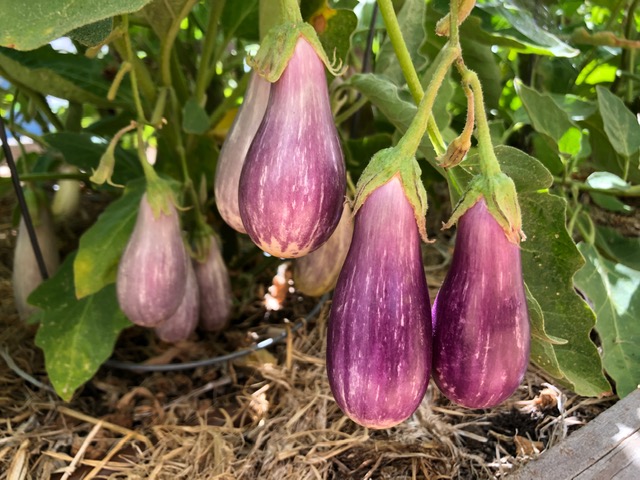
* Provide temporary shade for seedlings and plants sensitive to sunburn, such as squash, peppers and eggplants.
* Make sure mulch surrounds vegetable plants; it keeps roots cool and retains moisture.
* One good thing about hot days: Most lawns stop growing when temperatures top 95 degrees. Keep mower blades set on high.
* Harvest vegetables promptly to encourage plants to produce more. Squash especially tends to grow rapidly in hot weather. Keep an eye on zucchini.
* Pinch back chrysanthemums for bushy plants and more flowers in September.
* Remove spent flowers from roses, daylilies and other bloomers as they finish flowering.
* Wait on feeding plants until the heat wave is over.