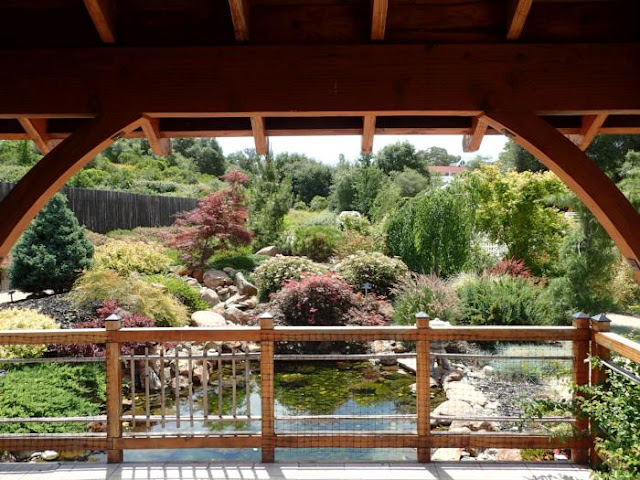
Prepare your garden for 100-plus degrees
Ready for some high heat?
Well into August, Sacramento – and Northern California overall — will finally experience some of the triple-digit temperatures that are a familiar part of our summers.
“Widespread moderate heat risk,” predicts the National Weather Service, which forecasts 100-plus degrees throughout the region through at least Monday. “This level of heat affects most individuals sensitive to heat, especially those without effective cooling and/or adequate hydration.”
The highs for Sacramento are expected to peak at 103 on Saturday, says the weather service, while areas such as Redding could reach 109.
“If outdoors, stay hydrated, take breaks and find shade,” says the weather service.
Fortunately, this heat wave is expected to be short. High temperatures will drop comfortably to the low 90s by Wednesday. Normal for early August in Sacramento: 92 degrees.
This has been an unusually cool summer for Sacramento, with only four days total all year topping 100 degrees. You – and your garden – may not be prepared.
Don’t let your garden sizzle. Help your plants cope:
* Deep-water shrubs, trees, perennials and vegetables. Give your tomatoes a good soaking.
* Keep soil evenly hydrated; not too wet or completely dried out. Use a moisture meter, long screwdriver or trowel to check. Even moisture is crucial for maturing tomatoes to prevent blossom-end rot.
* Don’t fertilize during a heat wave. It can stress already thirsty plants.
* Watch for sunburn on leaves. Erect temporary shade if needed.
* Protect tomatoes, peppers and eggplant from sunburn as the fruit matures with temporary shade such as umbrellas, shade cloth or even lace tablecloths.
* Sunburn also can damage bark, especially on young trees or shrubs, opening up the plant to wood-boring pests and premature death. It tends to be worse on the west- and south-facing sides of plants.
* Mulch, mulch, mulch! Spread a thick, cooling layer of organic material to retain that moisture and keep plant roots temperate. Use straw, old leaves, bark, grass clippings, even shredded newspaper. Don’t use rocks; they retain too much heat.
* Keep an eye on any recent transplants or seedlings. Make sure they stay hydrated. Check soil moisture and water in the early morning or evening.
* Prevent “hot feet” on plants in containers. Put a piece of wood or other wedging under pots to get them off concrete or other hardscape. Creating a little air space under a pot can help cool roots.
* Watch weather reports. Get updated forecasts at https://www.weather.gov/sto/.