Dig In: Garden checklist for week of Sept. 12
 |
|
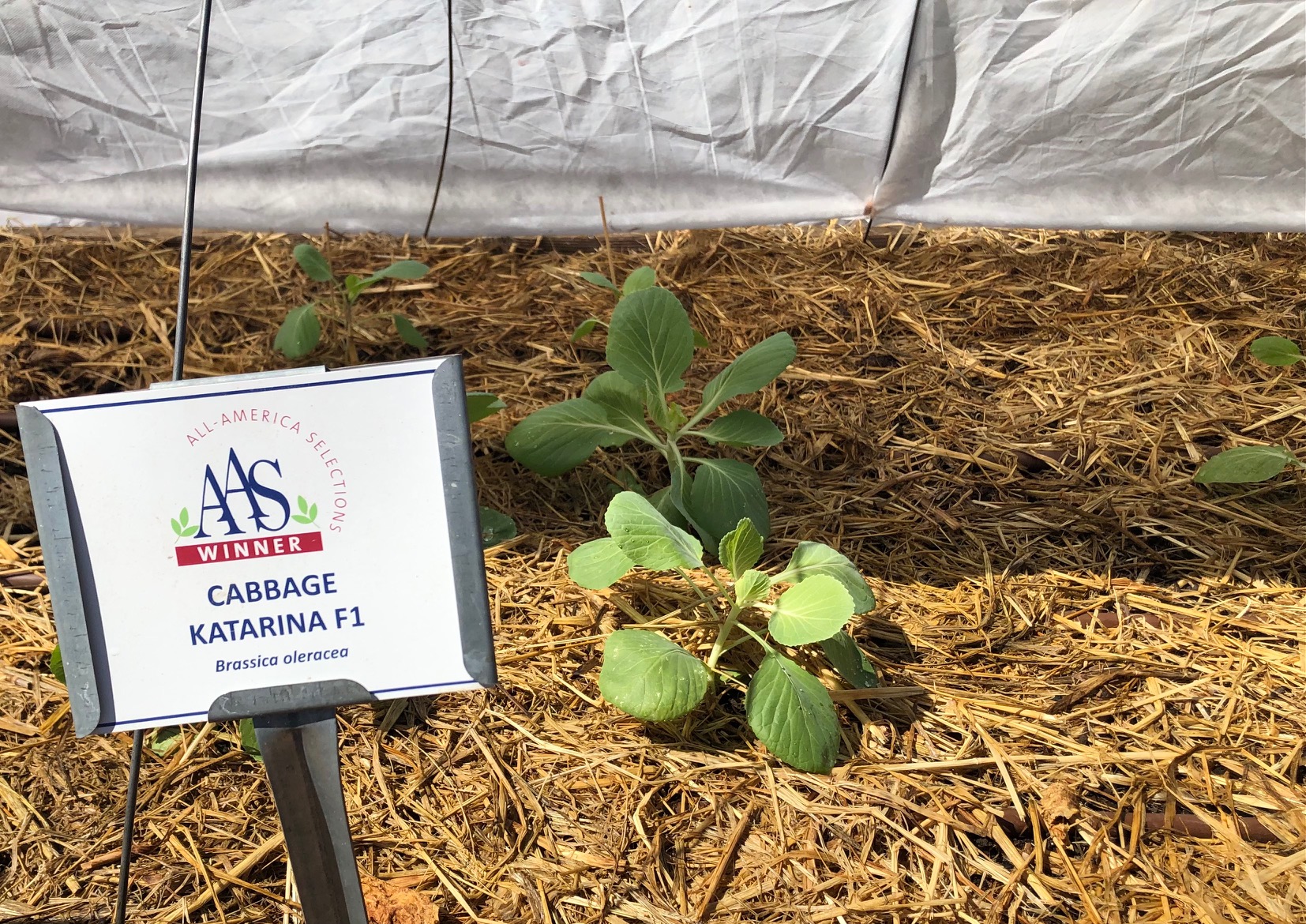
Cool-weather vegetables such as cabbage, above, bok choy and chard are newly
planted at the Fair Oaks Horticulture Center. The floating row cover is ready to pull
over the plants to protect them from birds, cabbage moths and other pests. (Photo: Kathy Morrison)
|
After some “perceived” precipitation (but little real rain) from passing thunderstorms, our September weather is settling into a “normal” pattern: Dry and sunny days, followed by cool nights.
According to the National Weather Service, expect several days in the low 90s or high 80s, with overnight lows dipping into the 50s.
“We will see a warming trend through Tuesday followed by slightly cooler temperatures going into the later portions of next week,” says the weather service’s Sacramento office.
That warming trend is forecast to top out at 96 degrees Tuesday; by Thursday, it will drop 10 degrees to a predicted high of 86.
As for precipitation, the weather service labeled Friday’s thunderstorm rain total as “perceived” for much of the Sacramento area. That’s not enough to get a measurement, but it sure looked like rain. While Downtown Sacramento got no measurable rain, Executive Airport did record 0.05 inches.
Meanwhile, give your trees and shrubs a deep watering this week. No rain – perceived or otherwise – is expected until later this month.
Take advantage of cooler weather later this week to get your garden ready for fall.
* Pull out tomato vines if they’ve stopped producing.
* Cultivate and add compost to the soil to replenish its nutrients for fall and winter vegetables and flowers.
* Fertilize deciduous fruit trees.
* Plant onions, lettuce, peas, radishes, turnips, beets, carrots, bok choy, spinach and potatoes directly into the vegetable beds.
* Transplant cabbage, broccoli, kale, Brussels sprouts and cauliflower as well as lettuce seedlings.
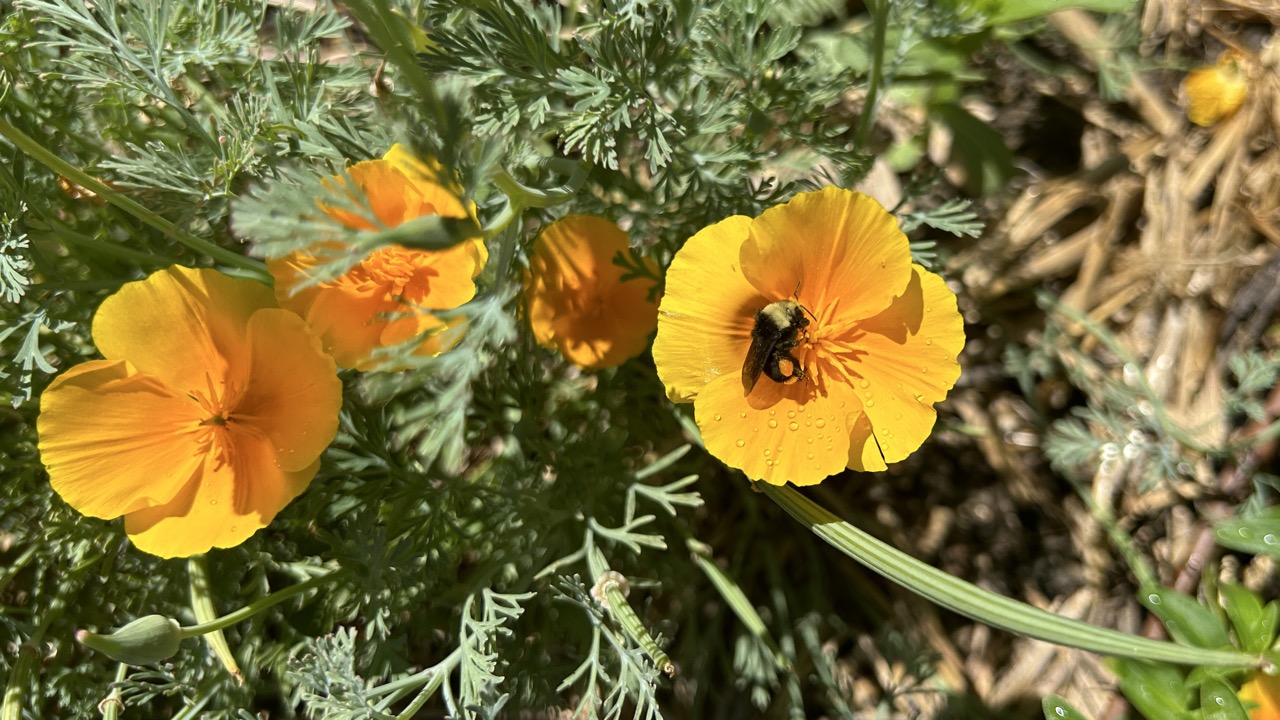
* Sow seeds of California poppies, clarkia and African daisies. Transplant cool-weather annuals such as pansies, violas, fairy primroses, calendulas, stocks and snapdragons.
* Divide and replant bulbs, rhizomes and perennials.
* Dig up and divide daylilies as they complete their bloom cycle.
* Divide and transplant peonies that have become overcrowded. Replant with “eyes” about an inch below the soil surface.