Learn about firescaping, better protect your home
Yes, your landscape can help protect your home against wildfire. It’s not just what you grow, but where.
Find out how during a free in-person workshop, offered by the UC Cooperative Extension Master Gardeners of Placer County.
Set for 10:30 a.m. Saturday, April 8, “Firescaping: Get ahead and slow the spread!” will spotlight the concept of “defensible space” – creating a buffer zone around your home or other structures and surrounding wildland. The one-hour session will be held at Loomis Library, 6050 Library Drive, Loomis.
“There is a way to organize your landscape and maintain your garden that will help create defensible space around your home,” say the master gardeners. “We’ll discuss what the research is telling us about the best practices we can implement in our landscapes to slow the spread of fire while still being able to enjoy a beautiful garden.”
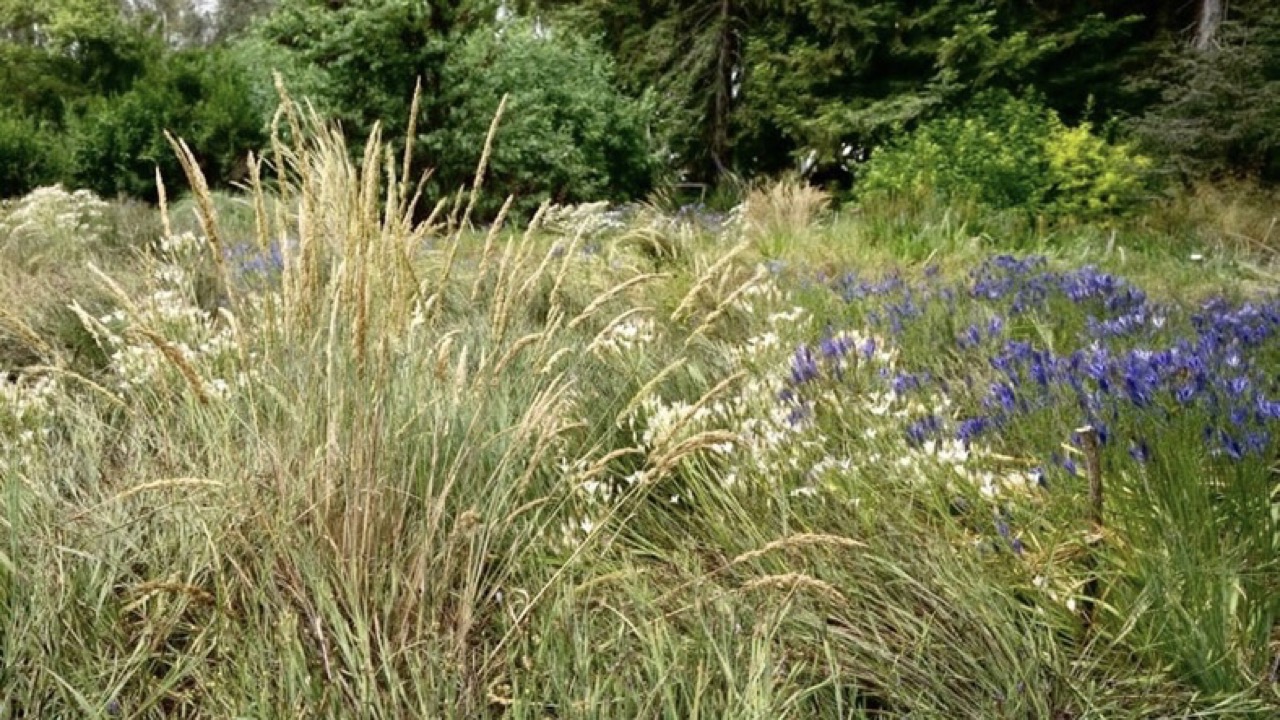
A big difference between firescaping and low-water gardening: Plant choice. Such favorite low-water Mediterranean plants as rosemary burn easily due to the high oil or resin content in their leaves. Evergreen conifers such as pines also may not be fire-wise – even though they may be native. Low-water native grasses tend to burn rapidly.
Among the plants recommended for firescaping: Daylily, butterfly bush, lavender, salvia, coreopsis and ceanothus. Some fruits, too: Citrus and blueberries, for example.
With so much moisture in the soil, this spring will be a good time for landscape renovation; new plants will be quicker to get established. On the down side, all that rain will likely increase fire danger later this year due to lush vegetation in our foothills and wildlands.
Add the master gardeners, “With so many Placer County residents living amongst the wildland interface, the time is now to make a plan for your house and yard to create a firewise landscape.”
For more details: https://pcmg.ucanr.org/.