Learn about growing avocados and other fruit at Harvest Day
Can avocados grow in Sacramento? What about atemoyas or pawpaws? Check out the Fair Oaks Horticulture Center’s demonstration orchard and see for yourself.
Designed to be easy care and easy picking, the orchard is pruned for compact spaces – such as a typical Sacramento backyard. But small spaces can produce big harvests.
Discover this fruity gem – and a lot more – on Saturday, Aug. 2, during Harvest Day, the Sacramento region’s celebration of gardening know-how.
Hosted by the UC Master Gardeners of Sacramento County, this event is annually Sacramento’s biggest free garden party. Hours will be 8 a.m. to 2 p.m. Admission and parking are free.
Scores of garden experts will be on hand to answer questions and offer advice specific for our Sacramento region. Vendors will offer unique garden arts and crafts as well as locally grown plants.
One of the most fascinating aspects of Harvest Day – and the Hort Center – is the abundance of edible plants that thrive in Sacramento County. The orchard, in particular, demonstrates the wide range of fruit that can be produced without much room.
“We grow a lot of fruit: Peaches, nectarines, plums, pluots, pluerries, cherries, apples, pears, Asian pears, avocado, atemoya, pawpaw, guavas, figs, pomegranates, persimmons and all kinds of citrus,” said Sacramento County master gardener Quentyn Young, a longtime professional nurseryman, in a past interview.
Young has been a longtime volunteer in the Hort Center’s 60-tree orchard, where master gardeners will be on hand Saturday to answer all sorts of questions. What’s the best tasting peach? How can you get more fruit from a small tree? Can you grow tropical fruit in Sacramento?
Speaking of which, Young also will be among Harvest Day’s featured presenters. At 11 a.m. in the Speakers Tent, he’ll discuss “Growing Avocados and Subtropical Fruit Trees in the Sacramento Area” – a popular topic among local gardeners.
At FOHC, the master gardeners experiment with techniques of care as well as testing varieties for hardiness, disease resistance and flavor.
The volunteers keep their fruit trees short – under 7 feet. That makes the harvest easier (no ladders necessary) as well as reduces the water needs of each tree. (There’s less tree!)
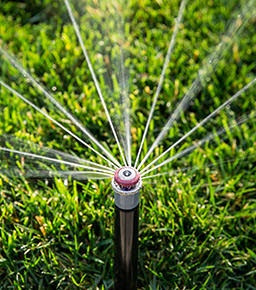
For irrigation, this little orchard uses microsprayers, said Young. “They’re usually deep watered once a week; in July and August, twice a week if needed. The microsprayers put out 25 to 35 gallons an hour, so they run about an hour. We budget 25 gallons per tree per week.”
Immature trees (under 3 years old) may need extra water to get established; figure an extra 5 gallons per week. To retain that moisture and keep roots comfortable, use lots of mulch. That also keeps down water-robbing weeds.
“Mulch definitely helps,” Young said. “We have layers and layers of wood chips, a mix of everything (Sacramento County) crews chipped. We put down a fresh layer two or three times a year.”
Some fruit trees get by with less water better than others; in fact, they prefer it, Young noted. “All the biblical fruit: Olives, almonds, pomegranates, grapes, dates, figs. They’re native to the Mediterranean or desert regions. (Most varieties) require very little water. Everything else needs weekly irrigation.”
Fair Oaks Horticulture Center is located at 11549 Fair Oaks Blvd., Fair Oaks, in Fair Oaks Park. Details: https://ucanr.edu/site/uc-master-gardeners-sacramento-county/harvest-day