Dig In: Garden checklist for week of Sept. 28
Just when you thought we were headed for a Second Summer with above-average warmth, we’re swerving in a new direction.
Like changing lanes during construction on Highway 50, get ready for a “pattern shift.” That’s what the National Weather Service calls our forecast for the final days of September.
A storm system from Alaska is dipping down into Northern California, bringing with it lower temperatures, gusty winds and thunderstorms – possibly even rain in Sacramento.
“The weather system arrives Monday bringing unsettled weather through midweek,” says the weather service. “Confidence is increasing for widespread rain. … Noticeably cooler, below-normal temperatures.”
After an expected high of 86 degrees Saturday (Sept. 27), Sacramento is forecast to be in the mid to low 70s through Thursday. The high on Wednesday (Oct. 1) is expected to reach only 72 degrees – more than 20 degrees cooler than last week. Sacramento reached 99 degrees last Tuesday, Sept. 23.
This cooldown can be a shock, especially to summer veggies on their last legs. But fall veggies and flowers won’t mind; they like these temperatures.
Meanwhile, overnight lows will remain warm – right around 60 degrees. That keeps soil warm and roots cozy – great for new transplants.
Along with this unstable weather comes gusty breezes, so expect a lot of falling leaves. (It is that time of year.) Sacramento can expect gusts of 20 mph on Sunday and Monday, says the weather service.
As for rain, thunderstorms appear headed for the Sierra. In Sacramento, the weather service predicts light showers, totaling 0.13 inches over Monday and Tuesday.
We could use some rain. So far this month, Sacramento has totaled only 0.02 inches. September averages 0.29 inches.
Be prepared for cooler weather and keep an umbrella handy. But otherwise, tackle those garden chores. It’s time to get stuff done!
* Now is the time to plant for fall. The warm soil will get veggies and others off to a fast start.
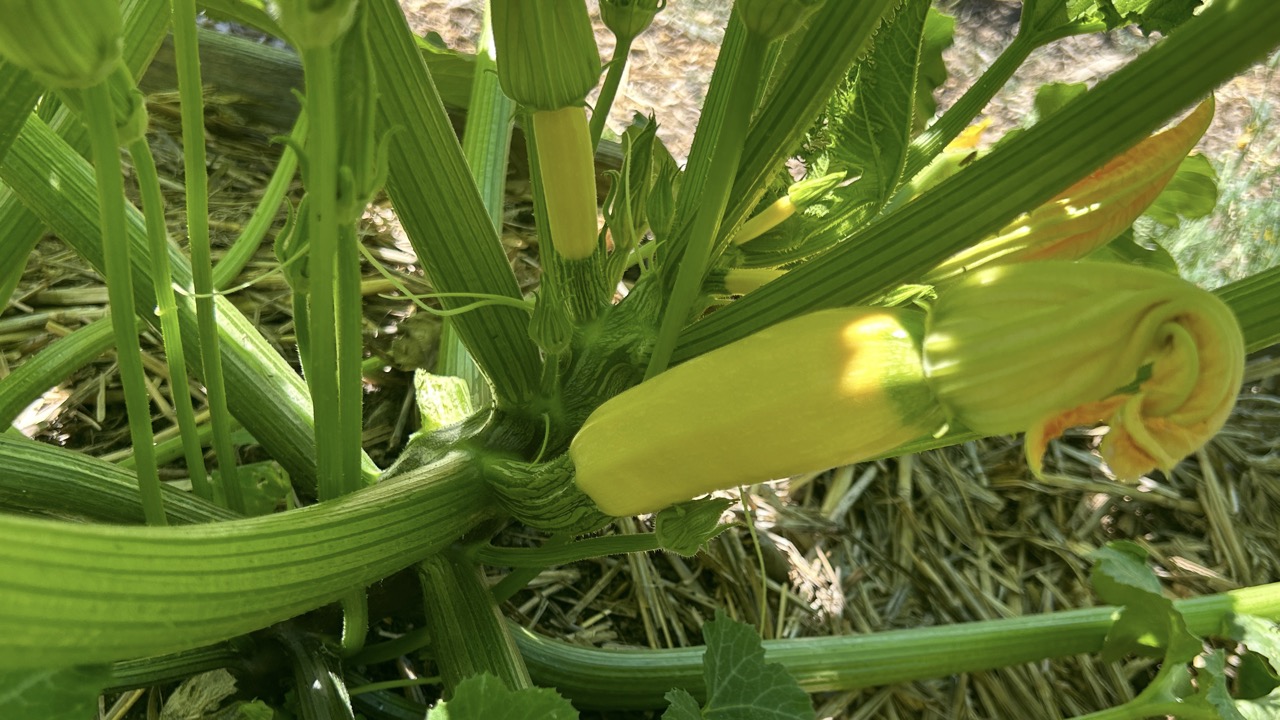
* Keep harvesting tomatoes, peppers, squash, melons and eggplant.
* Compost annuals and vegetable crops that have finished producing.
* Cultivate and add compost to the soil to replenish its nutrients for fall and winter vegetables and flowers.
* Fertilize deciduous fruit trees. (Always water before fertilizing.)
* Late September is ideal for sowing a new lawn or re-seeding bare spots.
* Plant onions, lettuce, peas, radishes, turnips, beets, carrots, bok choy, spinach and potatoes directly into the vegetable beds.
* Transplant cabbage, broccoli, kale, Brussels sprouts and cauliflower as well as lettuce seedlings.
* Sow seeds of California poppies, clarkia and African daisies.
* Transplant cool-weather annuals such as pansies, violas, fairy primroses, calendulas, stocks and snapdragons.
* Divide and replant bulbs, rhizomes and perennials. Bearded iris should be divided every three years.
* Dig up and divide daylilies as they complete their bloom cycle.
* Divide and transplant peonies that have become overcrowded. Replant with “eyes” about an inch below the soil surface.