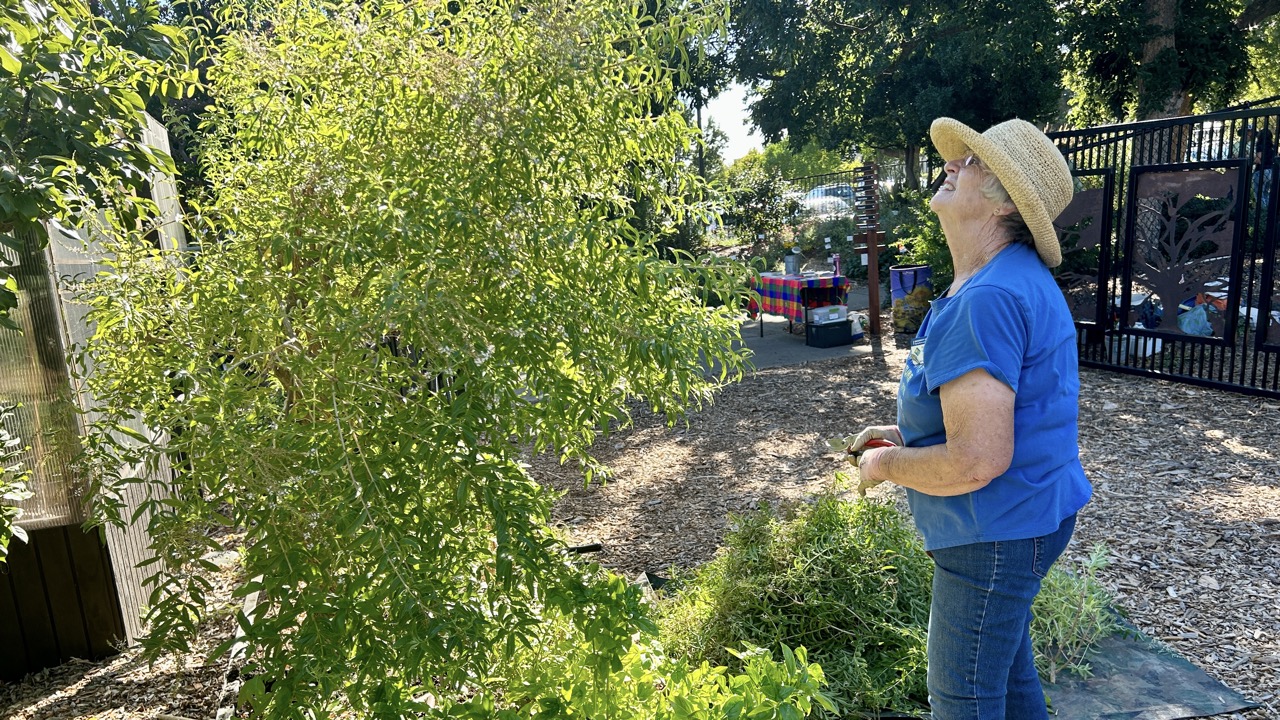
FIMBY: Lessons learned during a year of edible gardening
How time flies when you’re gardening – except when you’re waiting for seeds to sprout or tomatoes to ripen.
This is the 52nd installment in our Food in My Back Yard series, and we’ve literally covered a lot of ground. From seed starting to harvesting and all stages in between, we’ve tackled topics big and small.
Instead of treading the same territory for another full year, we’ve decided to wrap this FIMBY up and start another: Flowers in My Back Yard. The new series, which will start next Tuesday, will be dedicated to making our outdoor spaces more beautiful, interesting and inviting while helping pollinators and wildlife.
We could use some extra beauty in our lives right now. Growing food is a practical skill – we all need to eat. Growing flowers is what makes us smile and soothes our souls. (There’s a reason people give bouquets.) “Ornamental” gardening takes our skills to the next level.
Of course, there will be crossover; some “ornamental” plants are edible, too.
As for edible gardening, we’ll continue to cover that on a regular basis with posts on at least a weekly basis, if not more.
In the meantime, we plan to compile our Food in My Back Yard posts into a new e-book for easy download and consultation. More details coming soon! (In the meantime, all the posts will be available on our website.)
As we wrap up this series and start another, it’s time to reflect on what we’ve learned – and swear we’ll do differently in the spring and summer ahead:
1. Get a calendar and use it. Not just to keep track of dates, but when certain tasks such as fertilization, spraying and pruning should be done. You may think you can remember when you did or should do things, but putting them in writing allows you to see progress at a glance. Use that calendar to make notations when you planted seeds, fed your tomatoes and other tasks. As a bonus, master gardener calendars include many reminders each month.
It’s not too late to get a 2026 Gardening Guide and Calendar from two local UC master gardener organizations. Sacramento County and Placer County master gardeners both offer fantastic annual guides, available online or at their in-person events.
2. Fertilize in time. Your plants need certain important nutrients at critical steps in their development. Giving your tomatoes loads of nitrogen may be helpful when first transplanted in April, but produces nothing but vine in mid-summer. Roses, for example, respond to monthly feeding during their bloom periods from April through October (make notes on that calendar). Figure out in advance when you should feed your garden and mark it on your calendar.
3. Don’t overwater. OK, it looks like it’s going to be a good water year (knock on wood), but water saving is always a good idea. Too much water still does more harm than good, promoting rot and fungal disease.
4. Don’t buy plants without a plan. (That goes for seeds, too.) I have dozens of seed packets that looked so enticing in the catalog or store, but never got planted – there wasn’t enough time or space! How many pretty plants have to die in their pots without being transplanted for me to learn this lesson?
5. Clean and sharpen tools regularly! Good tools make jobs go faster. (That’s a major lesson during pruning season.) Treat tools well and they’ll last for years.
6. Keep track of what you planted and where. Draw a garden map, label major plants with permanent markers, make notes on that calendar – whatever works for you. Months (or years) from now when you need to know a variety (yes, it’s a rose, but which one?), you’ll have the answer handy. This is also important when planting bulbs or perennials that tend to “disappear” before resurfacing.
7. Remember to have fun. Gardening shouldn’t be all work. The more time we spend enjoying our gardens, the more rewarding they will be.