FLIMBY: How and why to grow wildflowers
This is another installment in our new weekly series, Flowers in My Back Yard, devoted to everything that blooms.
In the coming weeks, we’ll be offering plenty of advice on planting and growing cultivars. But today is devoted to persuading gardeners to grow more wildflowers.
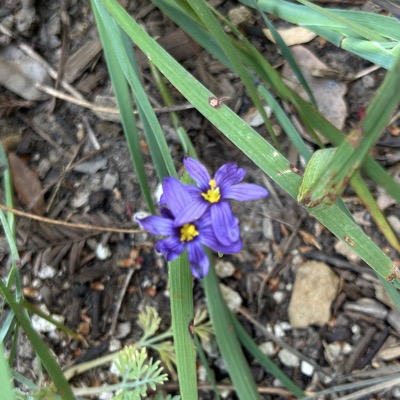
Wildflowers are native annuals, plants that grow, bloom and set seed all within in a year. In California we have hundreds of types, from the prolific state flower (California poppy) to unique flowers found only within the state boundaries.
Not only do wildflowers add color to our landscapes, they are absolutely essential as food for native insects, especially native bees and butterflies.
Wildflowers need very little preparation to grow — weed-free moist soil is about the only necessity. Many types are surface-sown, needing barely any soil as a cover to germinate. Keep them moist. Thin them or not — drifts of wildflowers are astonishing to see.
But there is an important point to know about wildflower seeds: You shouldn’t sow any old wildflower mix, such as sold by some national seed companies. Check, please check, the back of the package for the list of flowers included. Just because California poppies are included doesn’t mean the rest are natives here. Some of the seeds might even be from invasive plants; once they take hold in your garden, you might never be rid of them.
So check the flower names at Calscape.com, or search out California companies that offer native seeds. (Hedgerow Farms, out of Winters, is one of them. Their seeds are carried at local nurseries such as Green Acres.)
I’ve also bought native seeds from the students during the UC Davis Arboretum Teaching Nursery sales. First one this spring is March 7.
Some of my favorite wildflower varieties, in addition to poppies: lacy phacelia, tidy tips, bird’s eye gilia and Chinese houses.
Most wildflowers bloom in spring, which makes them ideal for filling in around just planted (and still small) perennials, or between vegetable rows. Collect the seeds, and you’ll have even more for next year!
Hint: Sign up here for the Sacramento area’s free Native Plant Garden Tour (formerly the Gardens Gone Native Tour) this spring. It has expanded to two days, April 18-19, with more opportunities to find your own favorite wildflowers.